Mostrando entradas con la etiqueta batidos. Mostrar todas las entradas

martes, 2 de agosto de 2016

CREMA FRÍA DE ESPINACAS

¿Quién no conoce a Popeye? ¿Quién no sabe que gracias a las espinacas su fuerza se elevaba considerablemente? Pues de este ingrediente tan peculiar y tan de moda en estos tiempos (gracias a los batidos verdes) va nuestra receta de hoy: una forma distinta de tomar espinacas.


Como curiosidad... el nombre de «Pop-eye» /pɒpaɪ/ que literalmente significa en inglés 'Ojo saltón', se refiere en realidad a su ojo tuerto, el cual perdió en alguna de sus batallas como marinero. Y ahora... disfrutad de la receta:


Ingredientes
- 300 g de espinacas
- 50 g de piñones
- 3 yogures naturales
- 1/2 diente de ajo (pelado)
- Zumo de limón (opcional)
- Aceite de oliva (opcional)
- Sal


1. Escaldar y tostar
Por un lado, en una olla con agua hirviendo y sal, escaldamos las espinacas durante 1 minuto; después, las pasamos por agua fría y dejamos escurrir en un colador. El agua de cocción la reservamos (para usarla en caso de que la crema quede demasiado espesa, aunque en este caso particular, no la necesité). Por otro lado, en una sartén se tuestan los piñones a fuego lento (para evitar que se quemen).

2. Batir
En la batidora de vaso añadimos: los yogures, las espinacas, los piñones (aunque dejaremos algunos para decorar), el ajo, y se tritura todo. Una vez que que la crema tenga la consistencia adecuada (usando para ello el caldo de cocción), rectificamos el punto de sal. Dejaremos enfriar nuestra crema en el frigorífico antes de servirla.

3. Opcional
Si se le quiere dar un punto ácido se añadirá el zumo de limón. A la hora de servirla, decorar con piñones y un chorrito de aceite de oliva. ¡Viva la comida sana y fácil de hacer!

PD: Receta original vista en "El Comidista".

************************

We all know Popeye. We all know his superhuman strength was associated with consumption of spinach, what is the main ingredient of today's recipe, because I want to show a different way to eat them. Enjoy it!

Ingredients
- 300 g of spinach leaves
- 50 g of pine nuts
- 3 plain yoghurts
- 1/2 garlic clove (peeled)
- Lemon juice (optional)
- Olive oil (optional)
- Salt

1. Blanch & toast
On the one hand, blanch the spinach leaves in boiling water and salt for a minute; then, refresh them with cold water and let them drain (saving the cooking water). On the other hand, toast the pine nuts in a frying pan over a low heat (to prevent burning).

2. Blend
In the glass of the mixer, introduce: the plain yoghurts, the spinach leaves, the toasted pine nuts (although we save some of them to decorate), the peeled garlic clove, and whisk together. Once the cream gets the desired texture (adding a little of the cooking water, if it is necessary), check the salt. Lastly, Let the cream cold before serve.

3. Optional
It's a good idea, add lemon juice if you like an acidic taste. Also, you can serve the cold soup heat the mash again in the pan with a pair of spoonful of Sherry wine. Then, you can decorate the dish with toasted pine nuts and a dash of olive oil. Enjoy healthy and cooking easy meal!

GuardarGuardar

sábado, 1 de agosto de 2015

SORBETE DE SANDÍA


Para combatir el calor que está haciendo estos días, no hay nada mejor que tomarte un buen y refrescante sorbete. El mejor escenario para disfrutar de él es quedarse en casa, con las persianas echadas, un poco de aire acondicionado, ... y NADA de terrazas, que sí, que sí, lo prometo; y es que los que seáis de Málaga comprenderéis de qué estoy hablando: EL TEMIDO TERRAL. Os dejo algunas expresiones que pueden escucharse en las calles de mi ciudad estos días:

"Hoy hace terral", "En la calle cae fuego", "No se puede ni respirar", .... y mi favorita (la más castiza) "NOOOVE QUÉ CALÓ, VIEO" (que podría transcribirse al castellano como: "No veas qué calor, viejo" sin que tengamos que referirnos a personas ancianas). ¡Que no, no somos exageraos, ni ná! (es un mito).


Ingredientes
- Fresas                  (6 - 8 uds., dependiendo del tamaño)
Sandía (fría)         (600 g)
- Menta fresca        (5 hojas)
- Zumo de lima
- Cubitos de hielo     (4 uds.)

NOTA: Con estas cantidades salen aproximadamente 2 buenas raciones de sorbete.


1. ¡Batidora, a tope!
Cortar las fresas y la sandía para facilitarle el trabajo a la batidora. Lavar bien las hojas de menta. Añadir a la batidora todos los ingredientes (fresas, sandía, hojas de menta y zumo de lima). Batir hasta que quede homogéneo. Por último, agrega los cubitos de hielo y vuelve a batir. Guárdalo en la nevera si no lo vas a consumir en el momento porque lo mejor es tomarlo bien frío.

************************

To beat the heat these days, the best way is to drink a proper and refreshing sorbet. And the best place to have it is to stay at home, with closed blinds and windows, switched on air conditioner, .... and without going out if it isn't strictly necessary. If you are from Malaga, you will know what I am talking about: THE FEARED "TERRAL" (a typical wind that came from the land). I am going to translate literally some of the expressions you could heard in the streets of my city on these days:

"Today, it is terral", "In the street, fire is coming down", ... and my favourite (so authentic in my language): "You may not see what heat, old man". In Malaga, we aren't usually exaggerated, it's only a myth!


Ingredients
- Strawberries                 (6 - 8 pieces, depending on the sizes)
- Watermelon (chilled)      (600 g)
- Fresh mint                    (5 leaves)
- Lime juice
- Ice cubes                       (4 cubes)

NOTE: With these quantities of ingredients I made about 2 large glasses of sorbet.


1. Mixer to work!
Cut into pieces both fruit (strawberries and watermelon). Wash properly the mint leaves. Add to the mixer all the ingredients (strawberries, watermelon, mint leaves and lime juice) and blend them together until the mixture is homogeneous. Finally, add ice cubes and blend again. Keep in the fridge if you are not going to taste it immediately, so that, sorbet gets cold enough to drink. 


martes, 2 de junio de 2015

SMOOTHIE DE "AMASQUILLOS"


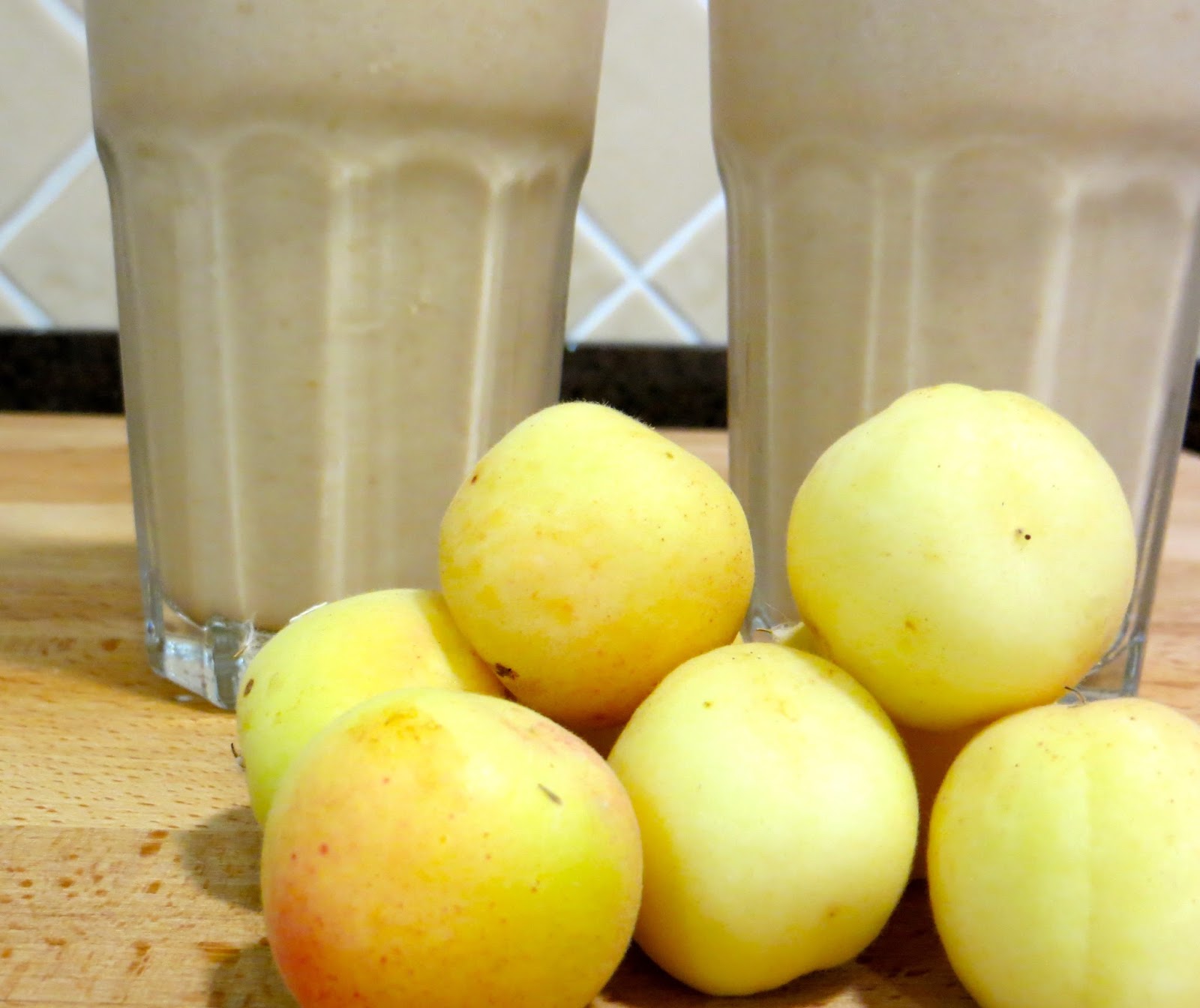
Si alguien se pregunta ¿qué son los "amasquillos"?, ¿dónde puedo conseguir esta fruta para hacer este batido? La respuesta es tan sencilla que, sólo hay que mirar la fotografía y reconocer que esos frutos son ALBARICOQUES.

"Amasquillo" es simplemente la denominación que se le da a esta fruta en mi tierra, Málaga. Si os preguntáis por qué, os puedo explicar que aunque el nombre común del árbol es albaricoquero o, simplemente, albaricoque, en regiones como Andalucía se le conoce también como damasco, y de ahí que su fruto se llame damasquillo, palabra que evolucionó a "amasquillo" (así son las cosas del lenguaje).


Ingredientes
- Albaricoques o amasquillos (en malagueño)
- Yogur natural griego (sin azucarar)
- Cubitos de hielo

1. Bátelo todo
Para preparar dos vasos como los de la foto, se necesitan unas dos docenas de albaricoques (a los que simplemente les quitamos el hueso tras enjuagarlos) y 2 vasos de yogur griego. Una vez batidos, añadimos un par de cubitos de hielo en nuestra batidora de vaso, de forma que el "smoothie" queda más ligero y refrescante tras mezclarse con el hielo picado. ¡Rico, rico! Aunque si lo queréis probar, hay que darse prisa porque esta fruta es de temporada.


************************

"Amasquillo" is the name to ask for apricots in a greengrocer in Malaga, my homeland. Although it has a very different name from the usual Spanish word of this fruit ("albaricoque"), the explanation is that this word developed from "damasco" which is another name to describe apricot trees in Andalusia (the language evolution).


Ingredients
- Apricots
- Greek plain yoghurt (unsweetened)
- Ice cubes

1. Blend everything
Add two dozens of apricots (rinsed and boneless) and 2 Greek plain yoghurts in the glass of the mixer in order to make two glasses of delicious smoothie (as can be seen in the photographs). Blend until the smoothie becomes homogeneous, and then, add two ice cubes and blend again to obtain a cool beverage. It tastes great! But, hurry up! because apricots are seasonal fruits.

viernes, 8 de mayo de 2015

SMOOTHIE DE MANGO Y FRESAS


Ingredientes
- Mango
- Fresas (congeladas)
- Yogur natural griego (sin azucarar)
- Miel
- Cubitos de hielo

1. Bátelo todo
Para hacer unos tres vasos de este delicioso "smoothie", se necesita 1 mango (pelado y troceado), un puñado de fresas (previamente limpias y congeladas), 2 vasos de yogur griego y 1 cucharadita de miel (como se aprecia en las fotos de la batidora). Una vez que se baten todos los ingredientes hasta que la mezcla resulta homogénea, se añaden un par de cubitos de hielo que ayudarán a que el "smoothie" sea un poco más ligero y fresco y se bate de nuevo. ¡Simplemente decir, que ya tengo fresas congeladas para repetir la experiencia! ¡Qué rico estaba!

TRUCO: Lo de congelar las fresas, podemos aplicarlo a cualquier fruta que se haya madurado en casa al punto que más nos gusta (por ejemplo: plátano, manzana, ...), pero que justo en ese momento no tenemos la oportunidad de tomarlas (porque nos han invitado a comer, tenemos alguna cena prevista, o algún viaje programado); así, de ese modo, si las guardamos en el congelador (ya peladas y en trocitos) las tendremos listas para preparar con ellas un batido cuando nos apetezca. Además, ese punto de congelación hace que nuestro smoothie sea aún más refrescante y que su textura sea la adecuada.

************************

Ingredients
- Mango
- Strawberries (frozen)
- Greek plain yoghurt (unsweetened)
- Honey
- Ice cubes

1. Blend everything
Add these ingredients in the glass of the mixer in order to make about 3 glasses of delicious smoothie: 1 mango (peeled and cut up into pieces), some frozen strawberries (150 g approximately), 2 Greek plain yoghurts and 1 teaspoon of honey. Blend until the smoothie becomes homogeneous, and then, add two ice cubes and blend again. Only, I'm saying to you that I have some strawberries in the freezer to repeat the recipe! It tasted superb!

TRICK: If we freeze pieces of fruit at optimal ripeness (strawberries, bananas, apples, ... -always peeled and cut into pieces-), we can use them to make our smoothies ever time we would have enough time to prepare them and, what is more important, to savour them. Furthermore, this makes our smoothie would be more refreshing and would have a right texture.

martes, 26 de agosto de 2014

BATIDO DE MANGO CON YOGUR


Ingredientes
- Mango
- Yogur natural
- Agua
- Azúcar
- Zumo de limón

1. "¡Maaaango!"
Se pela y se corta en trozos un mango (aprox. 400 g). En la batidora de vaso añadimos la fruta, 4 yogures de tipo natural (500 g en total), unos 260 ml de agua y un par de cucharadas de azúcar, y se baten todos los ingredientes durante unos minutos hasta que la mezcla sea homogénea. Antes de servirlo, se añaden un par de cucharaditas de zumo de limón. Asegúrate de hacerlo con tiempo suficiente para poder servirlo muy frío. ¡Viva la fruta tropical!

************************

Ingredients
- Mango
- Plain yoghurt
- Water
- Sugar
- Lemon juice

1. "Maaaango!"
Peel and cut up into pieces a mango (400 g approximately). Add the fruit, 4 plain yoghurts (500 g), 260 ml of water and two spoonful of sugar in the glass of the mixer, and blend all the ingredients until the milk shake becomes homogeneous. Before serving it, pour a pair of teaspoons of lemon juice. But my recommendation is to always serve chilled this milk shake. Viva the tropical fruit!

domingo, 1 de septiembre de 2013

BATIDO DE PIÑA Y MELOCOTÓN

Ingredientes
- Piña
- Melocotón
- Leche
- Azúcar (opcional)

1. Batido
Se pela media piña y un melocotón, y se corta a trocitos pequeños. Se añade la fruta a la batidora de vaso, y se bate durante un par de minutos. A continuación, se incorporara la leche y se bate la mezcla hasta que tenga la textura adecuada (en principio, con medio vaso de leche semidesnatada es suficiente para la cantidad de fruta propuesta). Para darle un toque dulce, se le puede añadir una cucharada de azúcar. ¡Esta bebida es ideal para merendar!

************************

Ingredients
- Pineapple
- Peach
- Milk
- Sugar (optional)

1. Milk shake
Peel half pineapple and a peach, and cut up into small pieces. Use the blender for 2 minutes. After that, add milk and blend all the ingrendients until the milk shake becomes in a suitable texture (with half glass of milk is enough for the fruit used). You can add a spoonful of sugar, but this is optional. It's perfect to have a snack in the afternoon!

miércoles, 7 de agosto de 2013

BATIDO DE MELÓN (LIGHT)


Ingredientes
- Melón "piel de sapo"
- Hielo (opcional)

1. Batido light
Se corta el melón a trocitos, quitándole tanto la cáscara como las pipas. Añádelo a la batidora de vaso, y bate más o menos durante 1 minuto. Para que la bebida sea más refrescante, se puede incorporar hielo a la batidora, en caso de que las cuchillas sean aptas para picarlo. Sírvelo y... ¡disfruta de una bebida 100% natural!

************************

Ingredients
- "Piel de sapo" melon
- Ice (optional)

1. Light shake
Cut the melon into pieces, the skin and seeds must be removed before using the blender. Blend the fruit for 1 minute. If you want that your drink become more refreshing, you can add ice to crush in the mixer, but you must ensure that your blender is suitable to crush ice. Get the most out of your light and 100% natural shake!