Mostrando entradas con la etiqueta Málaga. Mostrar todas las entradas

viernes, 12 de mayo de 2017

TARTAR DE SALCHICHÓN DE MÁLAGA


Ingredientes
- Salchichón de Málaga
- Aguacate
- Cebolleta
- Cebollino
- Lactonesa (o mayonesa)
- Miel de caña
- Mostaza de Dijon

1. Cortar pacientemente
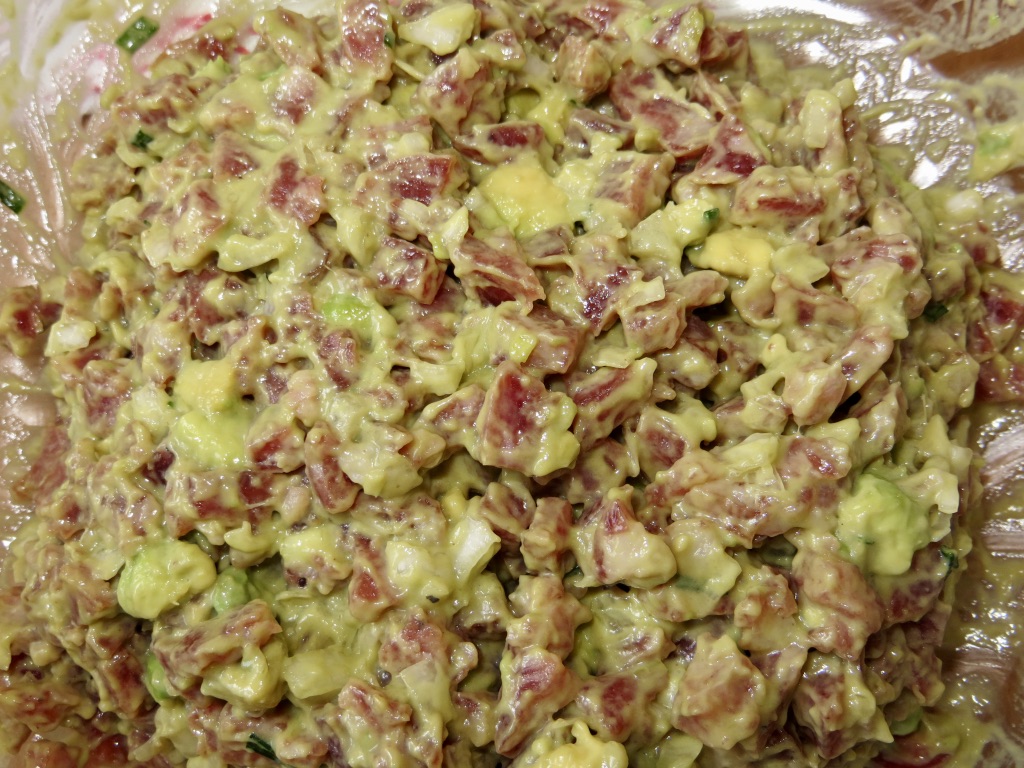
Tendremos que cortar tanto el salchichón como el aguacate en dados pequeñitos (cuanto más pequeños sean los trocitos de salchichón, mucho mejor), después los colocaremos en un recipiente que nos permita mezclar todos los ingredientes; también picaremos la cebolleta en tiras finas y pequeñas, y la añadiremos al bol, removiendo todos los ingredientes.

2. Preparar la salsa
La salsa que va a permitirnos que nuestro tartar quede más o menos compacto consiste en un pequeño cuenco de lactonesa (receta aquí), al que se añade una cucharada de miel de caña y otra cucharada de mostaza de Dijon. Después, tendremos que remover nuestra salsa para que todos los sabores queden bien integrados, junto con unos tallos de cebollino bien picados.

3. Mezclar y reservar en frío, antes de servir
Una vez lista la salsa, la vamos añadiendo poco a poco a la mezcla de ingredientes, para que así la cantidad de salsa sea la adecuada para obtener un tartar compacto a la vez que cremoso. Una vez terminado, lo meteremos en la nevera hasta que llegue la hora de servirlo. Para la presentación, usaremos un molde. ¡Queda perfecto y riquísimo untado en tostaditas!

PD: Es el primer tartar de salchichón que he hecho, pero no tardaré en repetir. Es muy fácil de hacer, lo más laborioso es ir cortando el salchichón, por eso hay que tener un poco de tiempo y un buen cuchillo.

************************

Ingredients
- Malaga salchichon
- Avocado
- Spring onion
- Chives
- Mayonnaise (made of milk and oil, or made of eggs and oil)
- Cane honey
- Dijon mustard

1. Cut all with patience
We have to cut in very small dices the salchichon, the avocado and the spring onion (the smaller pieces, the better). Then, we put all the ingredients in a bowl in order to mix them together.

2. Make the sauce
To make the sauce, we add a spoonful of cane honey and a spoonful of Dijon mustard to the mayonnaise (you can find my mayonnaise made of milk and oil here), and mix the mixture in order to get an homogenous sauce. Then, we add some chopped chives, stirring again.

3. Mix and let cool, before serving
Now, it's time to pour the sauce slowly over our ingredients, mixing all together because we have to try the amount of sauce is the necessary to obtain a compact but creamy tartar. Once finished, let it cool in the fridge until serving time. Use a mould to present the dish. Perfect and delicious to be spreader on small toasts!

PS:  It is my first salchichón tartar, although I`ll make again. It's very easy, the hardest is to cut the salchichon, so the only you need is to have time and and a good knife.
GuardarGuardarGuardarGuardarGuardarGuardar

jueves, 18 de febrero de 2016

EMBLANQUITO CALENTITO (receta malagueña)


Ingredientes
- 1 patata
- 1 cebolla
- 1 pimiento verde
- 1 tomate (opcional)
- 2 dientes de ajo
- Filetes de rosada sin piel (u otro pescado blanco)
- Zumo de limón
- Aceite de oliva
- Sal
- Pimienta negra en grano
- Agua


1. Cocer las hortalizas
Se lava y pela la patata, se corta a rodajitas medianas y las echamos en una olla junto con la cebolla (pelada y cortada en 2 o 4 trozos), el pimiento (limpio y cortado en 2 trozos), el tomate (enjuagado y entero, en caso de que vayamos a utilizarlo), los dientes de ajo pelados y unos granos de pimienta. Incorporamos el agua y lo ponemos todo a calentar. 

Mientras tanto (siguiendo el truco que usa mi madre para que el aceite se incorpore al caldo y no quede flotando en la superficie) exprimimos un limón, colamos el zumo y lo labramos con tres o cuatro cucharadas de aceite de oliva con ayuda de un tenedor. Así, cuando el agua empiece a hervir, añadimos un poco de sal y la mezcla de limón y aceite que acabamos de hacer, y removemos todo. Dejaremos que nuestro emblanco se vaya cocinando hasta que las patatas estén tiernas.


2. Cocer el pescado blanco
Después, se incorpora el pescado a nuestro caldo (los filetes de rosada son muy buena opción para este plato), y se dejará cocer entre 10-15 minutos según el grosor que tengan. Y ya está listo nuestro emblanco. Muy buena opción para quitarte el frío en las noches invernales o para ayudarte con problemas estomacales: ¡te reconfortará de todas, todas!

Un olé por nuestras comidas Malagueñas.


************************


Ingredients
- 1 potato
- 1 onion
- 1 green pepper
- 1 tomato (optional)
- 2 garlic cloves
- Skinned white fish fillets
- Lemon juice
- Olive oil
- Salt
- Ground pepper
- Water


1. Cook the vegetables
First, clean, peel and slice the potato into rounds and place them in a pan together with the onion (peeled and cut into 2 or 4 pieces), the green pepper (cleaned and cut in half), the tomato (rinsed and whole, if we are going to consume it), the peeled garlic cloves and some ground peppers. Add the water and heat everything.

Meanwhile (following my mum's trick), squeeze a lemon, strain the juice and mix it well with 3 or 4 spoonfuls of olive oil with the help of a fork. Thus, when the water begins to boil, add a little of salt and the mixture of lemon-oil we have just made, and stir everything. Then, let the fish soup (called "emblanco") cook until the potatoes are soft.


2. Cook the white fish
After that, add the skinned white fish fillets to the pan, and let them boil between 10-15 minutes depending on the thickness. Our fish soup will be ready to be served. This dish is a very good option to drive out the winter chill or to help you when you have stomach problems. It will comfort you, absolutely!

Olé for our recipes! (100% from Málaga)

martes, 20 de octubre de 2015

PORRA DE NARANJA (receta tradicional de Antequera)


Después de mi visita de fin de semana a Antequera, tengo que decir que además de disfrutar de una sesión cultural (estuve viendo los dólmenes de Menga, Viera y el Tholos del Romeral) mi paladar se encontró con una sorpresa muy agradable al almorzar en el restaurante Arte de Cozina, donde su propietaria, Charo Carmona, se ha encargado de recuperar, entre otras cosas, recetas que hoy en día han dejado de hacerse en nuestras casas.

¿Pensabábais que era posible encontrar una porra cuya base no fuera el tomate, sino que en su lugar fuera de color blanco o amarillo (con sabor a naranja)? Pues sí. La explicación que nos dio fue que antiguamente no había tomates en invierno y con la naranja (fruta típica de la estación invernal), en lugar del vinagre, se le podía aportar un toque de acidez (o agraz) a la humilde sencillez de la base de la porra (pan, ajo y aceite). Y es que los gazpachos (en general) surgieron de la necesidad que tenían los campesinos de alimentarse de lo que la tierra les aportaba y, por eso fueron humillados durante muchos siglos por los ciudadanos más ricos, tal y como recuerda el refrán popular: "Entre pueblo y populacho hay la misma diferencia que entre jamón y gazpacho". Aunque para mí, la porra de naranja ha alcanzado el nivel de comida delicatessen. Si los adinerados la hubieran probado, hoy sería uno de los platos más famosos de nuestra gastronomía.


Ingredientes
- 1/2 litro de zumo de naranja natural (colado). Ver truco nº 4.
- 1/2 kg de pan cateto (del día anterior)
- 1 diente de ajo
- 150 ml de aceite de oliva virgen extra
- Sal


1. Preparados, listos, ya!
Primero hacemos el zumo de naranja y lo colamos. Después se pone el pan en remojo en el zumo durante una media hora o hasta que esté empapado. Por último lo ponemos en nuestra batidora de vaso, con el diente de ajo, el aceite y la sal, y se tritura todo hasta obtener la textura deseada. Podemos servir nuestra porra con unos trocitos de almendras, unas virutas de jamón serrano y un chorrito de aceite de oliva. Sencillamente, deliciosa.

TRUCOS: 1. Después de repetir la receta en casa (las primeras fotos son de la que probé en el restaurante), aconsejo no poner en la batidora todo el pan, sino ir haciendo la mezcla poco a poco para que no se atasquen las cuchillas y sea más sencillo; 2. Si de todos modos todo queda como un mazacote podemos aligerarlo con un poco más de zumo de naranja; 3. Así, después mezclaremos todas fases para que el sabor de toda la porra sea homogénea. 4. La experiencia me indica que lo mejor a la hora de calcular la cantidad de zumo de naranja que vamos a necesitar es: primero, pesar el pan (por ejemplo, si son 200 g) y después, hacer el doble de esta cantidad de zumo en mililitros (tendríamos que hacer 2 · 200 = 400 ml de zumo). Así sale perfecto.

************************

After my last weekend in Antequera (a beautiful village of Malaga) I have to say that I have enjoyed visiting Dolmens of Menga and Viera, and Tholos of Romeral, and furthermore, I have discovered a great place called Arte de Cozina to have lunch, where its owner has been turning to traditional recipes in order to show what kind of dishes people used to eat some decades ago.

Do you think it is possible to eat a 'porra' (or cold tomato soup) without tomato? Yes, it is. The answer to this question is because tomatoes were formerly summer products, and peasants used to  use oranges (typical winter fruit) instead of vinegar in order to add the touch of acidity that this typical dish needed. As the saying goes in my country: "Between village people and plebs, there is the same difference between ham and 'gazpacho'", where is shown that this kind of dish was part of the diet of poor people. But, I am sure that if wealthy people had tasted 'porra' of orange, nowadays it would be one of the most famous recipe in our gastronomy.

Here is the recipe:


Ingredients
- 1/2 litre of natural orange juice (filtered). Read trick nº 4.
- 1/2 Kg of country bread (form the day before)
- 1 garlic clove
- 150 ml of olive oil
- Salt


1. Steady, ready, go!
First we should make and filter the orange juice. After that, the country pan should be wetted with the juice for about 30 minutes or until it is soaking. Lastly, we put this mixture in the glass of the mixer, adding the garlic glove, the olive oil and a little of salt, and blend everything until you get the 'porra' becomes homogenous. We can serve this cold soup with little pieces of almonds, some serrano ham shavings and a dash of olive oil. It's simply delicious.

TRICKS: 1. After making the recipe in my own kitchen (the first two pictures were taken in the restaurant), my advice is to blend the mixture little by degrees in order to help the blender blades work well; 2. If the mixture gets too thick, we can add more orange juice; 3. Only, we should mix again all the portions until the porra is served. 4. My own experience show me that the best way to calculate how much orange juice we have to make is: first, weight the bread (for instance, if we have 200 g) and second, make about double that account in mililiters (we should make 2 · 200 = 400 ml). It comes out perfect.


sábado, 1 de agosto de 2015

SORBETE DE SANDÍA


Para combatir el calor que está haciendo estos días, no hay nada mejor que tomarte un buen y refrescante sorbete. El mejor escenario para disfrutar de él es quedarse en casa, con las persianas echadas, un poco de aire acondicionado, ... y NADA de terrazas, que sí, que sí, lo prometo; y es que los que seáis de Málaga comprenderéis de qué estoy hablando: EL TEMIDO TERRAL. Os dejo algunas expresiones que pueden escucharse en las calles de mi ciudad estos días:

"Hoy hace terral", "En la calle cae fuego", "No se puede ni respirar", .... y mi favorita (la más castiza) "NOOOVE QUÉ CALÓ, VIEO" (que podría transcribirse al castellano como: "No veas qué calor, viejo" sin que tengamos que referirnos a personas ancianas). ¡Que no, no somos exageraos, ni ná! (es un mito).


Ingredientes
- Fresas                  (6 - 8 uds., dependiendo del tamaño)
Sandía (fría)         (600 g)
- Menta fresca        (5 hojas)
- Zumo de lima
- Cubitos de hielo     (4 uds.)

NOTA: Con estas cantidades salen aproximadamente 2 buenas raciones de sorbete.


1. ¡Batidora, a tope!
Cortar las fresas y la sandía para facilitarle el trabajo a la batidora. Lavar bien las hojas de menta. Añadir a la batidora todos los ingredientes (fresas, sandía, hojas de menta y zumo de lima). Batir hasta que quede homogéneo. Por último, agrega los cubitos de hielo y vuelve a batir. Guárdalo en la nevera si no lo vas a consumir en el momento porque lo mejor es tomarlo bien frío.

************************

To beat the heat these days, the best way is to drink a proper and refreshing sorbet. And the best place to have it is to stay at home, with closed blinds and windows, switched on air conditioner, .... and without going out if it isn't strictly necessary. If you are from Malaga, you will know what I am talking about: THE FEARED "TERRAL" (a typical wind that came from the land). I am going to translate literally some of the expressions you could heard in the streets of my city on these days:

"Today, it is terral", "In the street, fire is coming down", ... and my favourite (so authentic in my language): "You may not see what heat, old man". In Malaga, we aren't usually exaggerated, it's only a myth!


Ingredients
- Strawberries                 (6 - 8 pieces, depending on the sizes)
- Watermelon (chilled)      (600 g)
- Fresh mint                    (5 leaves)
- Lime juice
- Ice cubes                       (4 cubes)

NOTE: With these quantities of ingredients I made about 2 large glasses of sorbet.


1. Mixer to work!
Cut into pieces both fruit (strawberries and watermelon). Wash properly the mint leaves. Add to the mixer all the ingredients (strawberries, watermelon, mint leaves and lime juice) and blend them together until the mixture is homogeneous. Finally, add ice cubes and blend again. Keep in the fridge if you are not going to taste it immediately, so that, sorbet gets cold enough to drink. 


martes, 2 de junio de 2015

SMOOTHIE DE "AMASQUILLOS"


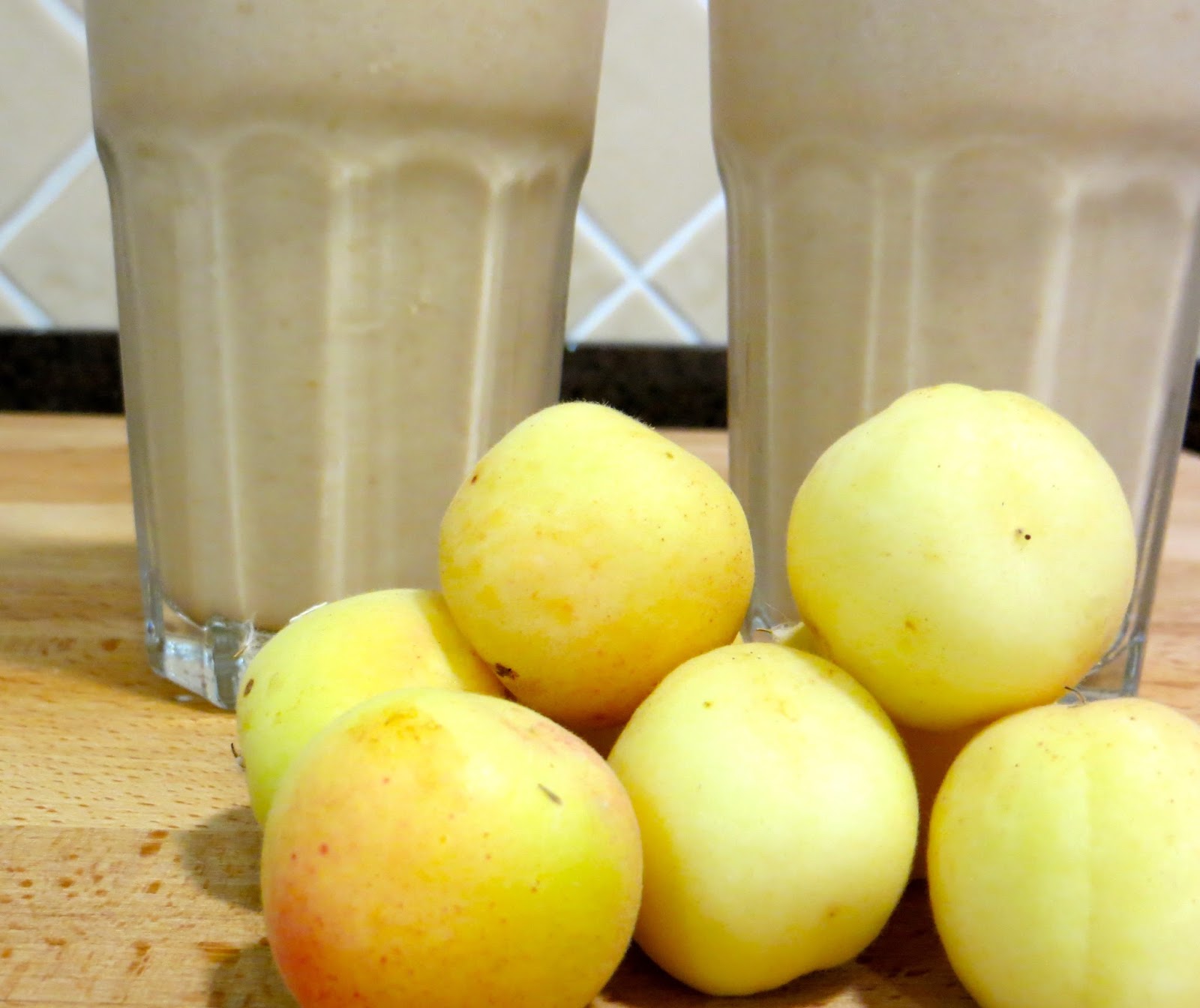
Si alguien se pregunta ¿qué son los "amasquillos"?, ¿dónde puedo conseguir esta fruta para hacer este batido? La respuesta es tan sencilla que, sólo hay que mirar la fotografía y reconocer que esos frutos son ALBARICOQUES.

"Amasquillo" es simplemente la denominación que se le da a esta fruta en mi tierra, Málaga. Si os preguntáis por qué, os puedo explicar que aunque el nombre común del árbol es albaricoquero o, simplemente, albaricoque, en regiones como Andalucía se le conoce también como damasco, y de ahí que su fruto se llame damasquillo, palabra que evolucionó a "amasquillo" (así son las cosas del lenguaje).


Ingredientes
- Albaricoques o amasquillos (en malagueño)
- Yogur natural griego (sin azucarar)
- Cubitos de hielo

1. Bátelo todo
Para preparar dos vasos como los de la foto, se necesitan unas dos docenas de albaricoques (a los que simplemente les quitamos el hueso tras enjuagarlos) y 2 vasos de yogur griego. Una vez batidos, añadimos un par de cubitos de hielo en nuestra batidora de vaso, de forma que el "smoothie" queda más ligero y refrescante tras mezclarse con el hielo picado. ¡Rico, rico! Aunque si lo queréis probar, hay que darse prisa porque esta fruta es de temporada.


************************

"Amasquillo" is the name to ask for apricots in a greengrocer in Malaga, my homeland. Although it has a very different name from the usual Spanish word of this fruit ("albaricoque"), the explanation is that this word developed from "damasco" which is another name to describe apricot trees in Andalusia (the language evolution).


Ingredients
- Apricots
- Greek plain yoghurt (unsweetened)
- Ice cubes

1. Blend everything
Add two dozens of apricots (rinsed and boneless) and 2 Greek plain yoghurts in the glass of the mixer in order to make two glasses of delicious smoothie (as can be seen in the photographs). Blend until the smoothie becomes homogeneous, and then, add two ice cubes and blend again to obtain a cool beverage. It tastes great! But, hurry up! because apricots are seasonal fruits.